
KIIT Researchers' Findings on AI-Led Breast Cancer Detection Published in Prestigious Lancet Journal
KIIT Researchers' Findings on AI-Led Breast Cancer Detection Published in Prestigious Lancet Journal
 BIDYADHAR BARIK MADHU
KIIT Researchers' Findings on AI-Led Breast Cancer Detection Published in Prestigious Lancet Journal
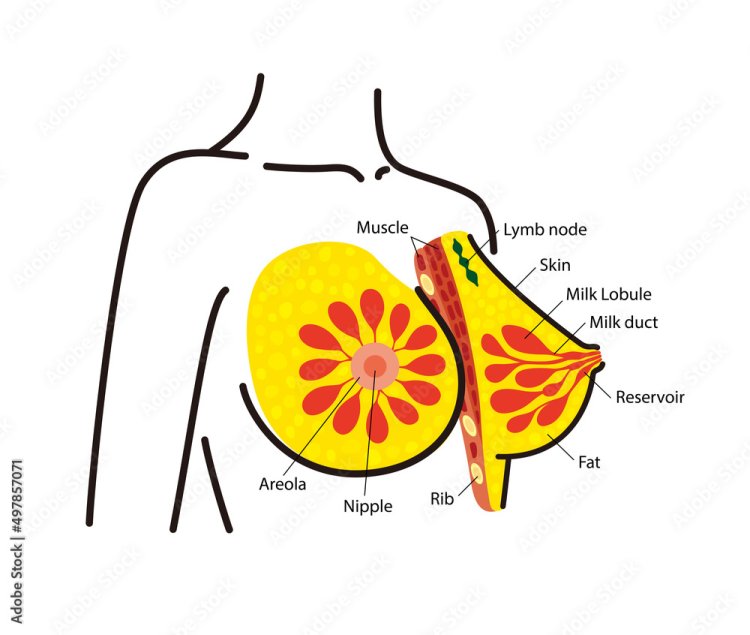
Bhubaneswar, July 2: A publication authored by researchers from KIIT-DU, in the prestigious medical journal The Lancet, has highlighted the importance of considering age-related tumour biology when evaluating artificial intelligence (AI)-based breast cancer screening.The KIIT researchers argue that incorporating these biological differences could strengthen the assessment of AI-assisted mammography programmes.The article, authored by Dr. Pratap Kumar Jena, Associate Professor, Mr. Sabyasachi Shukla, PhD Scholar, and Dr. Ramya Pinnamaneni, Director of the School of Public Health at KIIT, argues that AI-powered mammography tools should not be evaluated solely on technological performance. Instead, they should also consider the biological differences in tumour growth across age groups to generate more reliable evidence on the effectiveness of breast cancer screening.The KIIT researchers have raised the issue while responding to the findings of the Swedish MASAI (Mammography Screening with Artificial Intelligence) trial, one of the world’s largest studies evaluating AI in breast cancer screening. While the trial reported that AI-assisted screening detected more cancers and performed better than conventional double-reading by radiologists, the KIIT team believes that the study did not sufficiently account for age-related differences in tumour biology.According to the researchers, breast cancers do not behave the same way in women of all ages. Tumours in younger women often grow faster, while those in older women tend to grow more slowly and remain detectable for longer periods.This “window of detectability” can significantly influence the apparent performance of AI systems, making them appear either more or less effective than they actually are.“If AI-based screening assessments do not account for age-related differences in tumour growth and the window of detectability, estimates of screening effectiveness may be incomplete,” said Dr. Pratap Kumar Jena. He added that integrating biological factors into AI evaluation frameworks could improve predictive accuracy and reduce errors in assessing AI performance.The publication represents another scholarly contribution from KIIT researchers to the evolving discussion on AI-assisted healthcare. Earlier this year, the same team published a correspondence in The Lancet Digital Health, highlighting methodological considerations in evaluating AI-assisted mammography, including the importance of accounting for the preclinical "window of detectability" (or sojourn time) and clarifying key screening metrics.Building on that, the researchers have recommended that future AI-supported mammography studies incorporate mathematical models that account for age-related variations in cancer growth. Such an approach, they say, would provide a more accurate assessment of AI’s true clinical value and help healthcare systems make better screening decisions for women across different age groups.
‘ଦି ଲାନସେଟ୍'ରେ ସ୍ଥାନ ପାଇଲା କିଟ୍ ଗବେଷକଙ୍କ ନିବନ୍ଧ
ଭୁବନେଶ୍ୱର,୩।୭: କିଟ୍ ଗବେଷକମାନଙ୍କ ଦ୍ୱାରା ଲିଖିତ ଏକ ନିବନ୍ଧ ‘ଦି ଲାନସେଟ୍'ରେ ପ୍ରକାଶିତ ହୋଇଛି। ଏଥିରେ କୃତ୍ରିମ ବୁଦ୍ଧିମତ୍ତା (ଏଆଇ) ଆଧାରିତ ସ୍ତନ କର୍କଟ ସ୍କ୍ରିନିଂ ମୂଲ୍ୟାଙ୍କନ କରିବା ସମୟରେ ବୟସ-ସମ୍ବନ୍ଧୀୟ ଟ୍ୟୁମର ଜୀବବିଜ୍ଞାନକୁ ବିଚାର ଉପରେ ଗୁରୁତ୍ୱ ଦିଆଯାଇଛି। ଏହି ଜୈବିକ ପାଥର୍କ୍ୟଗୁଡ଼ିକୁ ସାମିଲ କରିବା ଦ୍ୱାରା ଏଆଇ-ଆଧାରିତ ମାମୋଗ୍ରାଫି କାର୍ଯ୍ୟକ୍ରମଗୁଡ଼ିକର ମୂଲ୍ୟାଙ୍କନ ପ୍ରକ୍ରିୟାକୁ ସୁଦୃଢ଼ କରାଯାଇପାରିବ।ଏହା ଉପରେ ମତ ଦେଇ କିଟ ସ୍କୁଲ୍ ଅଫ୍ ପବ୍ଲିକ୍ ହେଲ୍ଥ ନିର୍ଦ୍ଦେଶକ ଡା ରମ୍ୟା ପିନ୍ନାମାନେନି, ଆସୋସିଏଟ୍ ପ୍ରଫେସର ଡା ପ୍ରତାପ କୁମାର ଜେନା ଏବଂ ପିଏଚଡି ଗବେଷକ ସବ୍ୟସାଚୀ ଶୁକ୍ଳା କହିଲେ, କୃତ୍ରିମ ବୁଦ୍ଧିମତ୍ତା-ଚାଳିତ ମାମୋଗ୍ରାଫି ଉପକରଣଗୁଡ଼ିକୁ କେବଳ ସେମାନଙ୍କର ବୈଷୟିକ କାର୍ଯ୍ୟଦକ୍ଷତା ଉପରେ ଆଧାର କରି ମୂଲ୍ୟାଙ୍କନ କରିବା ଉଚିତ୍ ନୁହେଁ। ବରଂ, ସ୍ତନ କର୍କଟ ସ୍କ୍ରିନିଂର ପ୍ରଭାବଶାଳୀତା ସଂପର୍କରେ ଅଧିକ ନିର୍ଭରଯୋଗ୍ୟ ପ୍ରମାଣ ପାଇବା ପାଇଁ, ବିଭିନ୍ନ ବୟସ ଗୋଷ୍ଠୀ ମଧ୍ୟରେ ଟ୍ୟୁମର ବୃଦ୍ଧିରେ ଥିବା ଜୈବିକ ପାଥର୍କ୍ୟକୁ ବିଚାର କରିବା ଆବଶ୍ୟକ।ସ୍ୱିଡେନରେ ହୋଇଥିବା ଏମ୍ଏଏସଏଆଇ ପରୀକ୍ଷଣ ନିଷ୍କର୍ଷ ଆଧାରରେ ସ୍ତନ କର୍କଟ ଚିହ୍ନଟରେ କୃତ୍ରିମ ବୁଦ୍ଧିମତ୍ତା (ଏଆଇ)ର ପ୍ରଭାବ ମୂଲ୍ୟାଙ୍କନ କରୁଥିବା ବିଶ୍ୱର ସବର୍ବୃହତ ଅଧ୍ୟୟନ ମଧ୍ୟରୁ ଏହା ଅନ୍ୟତମ। ପରୀକ୍ଷଣରେ ଦର୍ଶାଯାଇଥିଲା ଯେ ଏଆଇ-ସହାୟତାପ୍ରାପ୍ତ ସ୍କ୍ରିନିଂ ଅଧିକ କର୍କଟ ଚିହ୍ନଟ କରିଛି ଏବଂ ରେଡିଓଲୋଜିଷ୍ଟମାନଙ୍କ ଦ୍ୱାରା ବ୍ୟବହୃତ ପାରଂପରିକ ‘ଡବଲ-ରିଡିଂ' ପଦ୍ଧତି ଅପେକ୍ଷା ଭଲ ପ୍ରଦର୍ଶନ କରିଛି। ଏହା ଉପରେ କିଟ ଗବେଷଣା ଦଳ ଯୁକ୍ତି ଦେଇଛନ୍ତି ଯେ ଅଧ୍ୟୟନ ଟ୍ୟୁମରର ଜୈବିକ ବୈଶିଷ୍ଟ୍ୟରେ ବୟସ-ସମ୍ବନ୍ଧୀୟ ପାଥର୍କ୍ୟକୁ ପର୍ଯ୍ୟାପ୍ତ ବିଚାର କରାଯାଇନାହିଁ।ଗବେଷକଙ୍କ ଅନୁସାରେ, ସବୁ ବୟସର ମହିଳାଙ୍କୁ ସମାନ ଭାବରେ ସ୍ତନ ର୍କକଟ ଆକ୍ରାନ୍ତ କରେନାହିଁ। ଯୁବାବସ୍ଥାରେ ଟ୍ୟୁମରଗୁଡ଼ିକ ପ୍ରାୟତଃ ଦ୍ରୁତ ଗତିରେ ବୃଦ୍ଧି ପାଏ, ଯେତେବେଳେ ବୟସ୍କ ମହିଳାଙ୍କଠାରେ ଟ୍ୟୁମରଗୁଡ଼ିକ ସାଧାରଣତଃ ଧୀରେ ବଢ଼ିଥାଏ ଏବଂ ଦୀର୍ଘ ସମୟ ପରେ ଚିହ୍ନଟଯୋଗ୍ୟ ହୋଇଥାଏ। ଡା ପ୍ରତାପ ଜେନା ଉଲ୍ଲେଖ କରିଛନ୍ତି ଯେ ଏଆଇ ମୂଲ୍ୟାଙ୍କନ ଢାଞ୍ଚାରେ ଜୈବିକ କାରକଗୁଡ଼ିକୁ ଅନ୍ତର୍ଭୁକ୍ତ କରିବା ଦ୍ୱାରା ର୍ପୂବାନୁମାନ ସଠିକତା ବୃଦ୍ଧି ପାଇପାରେ ଏବଂ ଏଆଇ କାର୍ଯ୍ୟଦକ୍ଷତା ମୂଲ୍ୟାଙ୍କନରେ ତ୍ରୁଟି ହ୍ରାସ ପାଇପାରେ। ଏହାକୁ ଦୃଷ୍ଟିରେ ରଖି, ଗବେଷକମାନେ ପରାମର୍ଶ ଦେଇଛନ୍ତି ଯେ ଏଆଇ -ସହାୟତାପ୍ରାପ୍ତ ମାମୋଗ୍ରାଫି ଉପରେ ଭବିଷ୍ୟତର ଅଧ୍ୟୟନରେ ଗାଣିତିକ ମଡେଲଗୁଡ଼ିକୁ ଅନ୍ତର୍ଭୁକ୍ତ କରିବା ଉଚିତ ଯାହା ର୍କକଟ ପ୍ରଗତିରେ ବୟସ-ସମ୍ବନ୍ଧୀୟ ପରିବର୍ତ୍ତନ ଜଣାପଡ଼ିବ।