
KIMS doctors performed rare 12-hour hybrid aortic surgery for multiple recurrent aortic aneurysms
KIMS doctors performed rare 12-hour hybrid aortic surgery for multiple recurrent aortic aneurysms
 BIDYADHAR BARIK MADHU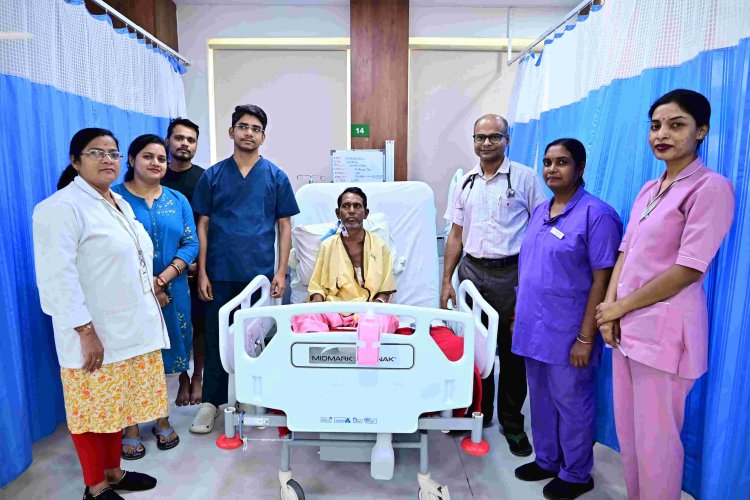
KIMS doctors performed rare 12-hour hybrid aortic surgery for multiple recurrent aortic aneurysms
Bhubaneswar, Sept 5: A 57-year-old man with multiple life-threatening recurrent aortic aneurysms (abnormal bulging or swelling of the wall of the main artery carrying blood from heart to the other organs) underwent a highly complex 12-hour hybrid procedure at KIMS, Bhubaneswar, after the aneurysms recurred despite an earlier endovascular treatment.
The patient had undergone successful endovascular stenting at KIMS, for aortic aneurysm in 2024 when cardiologists had placed stent grafts (fabric-covered metal tubes placed inside the aorta to reinforce the weakened blood vessel and prevent the aneurysm from rupturing).
He remained well then after but recently developed symptoms again. A CT scan showed that new multiple aneurysms had developed throughout the thoracic and abdominal aorta that were normal before, uncovered by the earlier stent grafts.
According to Dr Anupam Jena, senior cardiologist, further evaluation involving multiple departments, including Rheumatology, indicated that the patient had an inflammatory disorder of the aorta, which had weakened the blood vessel and led to the formation of new aneurysms. Such aortic aneurysms were potentially life-threatening because a rupture could cause massive internal bleeding, causing death. Dr Jena described such aneurysms as a “time bomb”, as it was difficult to predict when they might rupture.
Given the extent of the disease, the doctors opted for a hybrid procedure, combining open surgery with an endovascular approach.
In the first stage, consultant cardiac surgeon Dr Satyajit Samal and his team performed a major open operation to reroute the blood supply to the major organs in the abdomen like liver, kidney and intestine. And blood supply to his hand was rerouted from the neck arteries. The surgeons used synthetic grafts (artificial tubes used to create new pathways for blood flow) to bypass the diseased sections. This part of the operation lasted close to 10 hours.
The patient was then shifted to the Cath Lab, where senior cardiologist Dr Anupam Jena and his team performed the endovascular component. Stent grafts were placed in the portions of the aorta affected by the aneurysms, strengthening the wall and taking pressure off the weakened portions of the aorta.
The entire procedure lasted around 12 hours and was considered very complex and high-risk, owing to the difficulty in re-routing the branches of aorta because of the severe adhesion (tissue sticking to each other) and risk of bleeding, as said by Dr. Samal.
The patient recovered well following the surgery and got discharged subsequently.
Dr Jena said the KIMS cardiac science team had performed four to five such complex procedures, with good outcomes in most cases, and a similar procedure had also been performed before on a 25-year-old patient.
The successful treatment was the result of coordinated efforts by the Cardiology, CTVS, and other specialist departments, making it one of the rare and highly complex aortic procedures successfully performed in Odisha.
କିମ୍ସରେ ଦୁର୍ଲଭ ହାଇବ୍ରିଡ୍ ଅସ୍ତ୍ରୋପଚାର
ଭୁବନେଶ୍ୱର, ୫ ।୯: ଏକାଧିକ ଜୀବନଘାତୀ ମହାଧମନୀ ଆନ୍ୟୁରିଜମ୍ରେ ପୀଡ଼ିତ ୫୭ ବର୍ଷୀୟ ଜନୈକ ବ୍ୟକ୍ତିଙ୍କଠାରେ କିମ୍ସରେ ସଫଳତାର ସହ ଜଟିଳ ହାଇବ୍ରିଡ୍ ଅସ୍ତ୍ରୋପଚାର କରାଯାଇଛି । ମହାଧମନୀର ଭିତର ପାର୍ଶ୍ୱ ଫୁଲିଗଲେ ଆନ୍ୟୁରିଜମ୍ ସୃଷ୍ଟି ହୁଏ । ଏହା ଫାଟିଗଲେ ଅତ୍ୟଧିକ ଆଭ୍ୟନ୍ତରୀଣ ରକ୍ତସ୍ରାବ ହୋଇ ଜୀବନ ପ୍ରତି ବିପଦ ସୃଷ୍ଟି ହୋଇପାରେ।
ପୂର୍ବରୁ ୨୦୨୪ରେ ସେ କିମ୍ସରେ ଚିକିତ୍ସିତ ହୋଇଥିଲେ ମଧ୍ୟ ତାଙ୍କଠାରେ ପୁନର୍ବାର ଆନ୍ୟୁରିଜମ୍ ସୃଷ୍ଟି ହୋଇଥିଲା। ସେତେବେଳେ ଡାକ୍ତରମାନେ ମହାଧମନୀ ଭିତରେ ଷ୍ଟେଣ୍ଟ ଗ୍ରାଫ୍ଟ୍ ପ୍ରତିରୋପଣ କରି ଦୁର୍ବଳ ଅଂଶକୁ ସୁଦୃଢ଼ କରିବା ସହ ଆନ୍ୟୁରିଜମ୍ ଫାଟିବାର ଆଶଙ୍କାକୁ ରୋକିଥିଲେ। କିଛି ମାସ ପର୍ଯ୍ୟନ୍ତ ସେ ସୁସ୍ଥ ଥିଲେ। ପରେ ପୁନର୍ବାର ଲକ୍ଷଣ ଦେଖାଦେବାରୁ କିମ୍ସ ଡାକ୍ତରମାନେ ଏହାର ପରୀକ୍ଷା କରାଇଥିଲେ । ପୂର୍ବରୁ ଷ୍ଟେଣ୍ଟ ଗ୍ରାଫ୍ଟ୍ ଲଗାଯାଇନଥିବା ଅଂଶରେ ନୂଆ ଆନ୍ୟୁରିଜମ୍ ସୃଷ୍ଟି ହୋଇଥିବା ଜଣାପଡ଼ିଥିଲା।
ଆନ୍ୟୁରିଜମ୍ ଫାଟିଗଲେ ବ୍ୟାପକ ଆଭ୍ୟନ୍ତରୀଣ ରକ୍ତସ୍ରାବ ହୋଇପାରେ। ଏହା କେବେ ଫାଟିବ, ତାହା ଅନୁମାନ କରିବା କଷ୍ଟକର ହୋଇଥିବାରୁ ଏପରି ଆନ୍ୟୁରିଜମକୁ କିମ୍ସ ହୃଦଶଲ୍ୟ ବିଶେଷଜ୍ଞ ଡା. ଅନୁପମ ଜେନା ଟାଇମ୍ ବମ୍ କହିଲେ ଅତ୍ୟୁକ୍ତି ହେବନାହିଁ ବୋଲି କହିଛନ୍ତି । ରୋଗର ବ୍ୟାପକତାକୁ ଦୃଷ୍ଟିରେ ରଖି କିମ୍ସ ଡାକ୍ତରମାନେ ଓପନ୍ ସର୍ଜରି ଓ ସର୍ବନିମ୍ନ କ୍ଷତ ସୃଷ୍ଟି ହେଉଥିବା ଏଣ୍ଡୋଭାସ୍କୁଲାର ଚିକିତ୍ସାର ସମନ୍ୱୟରେ ହାଇବ୍ରିଡ୍ ପ୍ରକ୍ରିୟା କରିବାକୁ ନିଷ୍ପତ୍ତି ନେଇଥିଲେ।
ପ୍ରଥମ ପର୍ଯ୍ୟାୟରେ ଡା. ସତ୍ୟଜିତ ସାମଲ ଓ ତାଙ୍କ କାର୍ଡିଓଭାସ୍କୁଲାର ଟିମ୍ ଏକ ବଡ଼ ଓପନ୍ ଅସ୍ତ୍ରୋପଚାର କରିଥିଲେ। ଏଥିରେ ପେଟର ବିଭିନ୍ନ ଅଙ୍ଗକୁ ରକ୍ତ ଯୋଗାଉଥିବା ପ୍ରମୁଖ ରକ୍ତନଳୀଗୁଡ଼ିକର ରକ୍ତପ୍ରବାହକୁ ବିକଳ୍ପ ପଥରେ ପ୍ରବାହିତ କରାଯାଇଥିଲା। ରୋଗାକ୍ରାନ୍ତ ଅଂଶକୁ ଏଡ଼ାଇବା ପାଇଁ କୃତ୍ରିମ ରକ୍ତନଳୀ ବ୍ୟବହାର କରାଯାଇଥିଲା। ଏହି ପର୍ଯ୍ୟାୟ ପ୍ରାୟ ୧୨ ଘଣ୍ଟା ଧରି ଚାଲିଥିଲା । ଅସ୍ତ୍ରୋପଚାର ପରେ ରୋଗୀ ସୁସ୍ଥ ହୋଇଥିବା ବେଳେ ତାଙ୍କୁ ଡିସଚାର୍ଜ କରାଯାଇଛି।
ଏହା ଅତ୍ୟନ୍ତ ଜଟିଳ ଓ ଚ୍ୟାଲେଞ୍ଜିଂ ଥିଲା ବୋଲି କିମ୍ସ କାର୍ଡିଆକ୍ ସର୍ଜନ ଡାକ୍ତର ସତ୍ୟଜିତ ସାମଲ୍ ପ୍ରକାଶ କରିଛନ୍ତି। ପୂର୍ବରୁ କିମ୍ସରେ ଏପରି ୪ରୁ ୫ଟି ଜଟିଳ ପ୍ରକ୍ରିୟା ସଂପନ୍ନ କରିଛି ଏବଂ ଅଧିକାଂଶ କ୍ଷେତ୍ରରେ ସଫଳତା ମିଳିଛି। ଡା ସାମଲ ପ୍ରକାଶ କରିଛନ୍ତି। କାର୍ଡିଓଲୋଜି, ସିଟିଭିଏସ୍ ଓ ଅନ୍ୟାନ୍ୟ ବିଶେଷଜ୍ଞ ବିଭାଗର ସମନ୍ୱିତ ପ୍ରୟାସରେ ଏହି ସଫଳ ଚିକିତ୍ସା ସମ୍ଭବ ହୋଇଥିଲା। ଏହା ଓଡ଼ିଶାରେ ସଂପନ୍ନ ହୋଇଥିବା ଦୁର୍ଲଭ ଓ ଅତ୍ୟନ୍ତ ଜଟିଳ ମହାଧମନୀ ଚିକିତ୍ସା ପ୍ରକ୍ରିୟାଗୁଡ଼ିକ ମଧ୍ୟରୁ ଅନ୍ୟତମ ବୋଲି କୁହାଯାଇଛି।